Abstract
The hospital waste management have become a remarkable concern for the nurses and others health care personnel as it carries a higher risk of infection and injury. Hospital waste must be properly identified and disposed to selected point of origin as possible. To assess the level of nurses’ knowledge regarding hospital waste management at a specialized hospital in Dhaka. Methods: A descriptive type of cross-sectional study was conducted with 50 samples through convenient sampling technique from total number of populations at National Institute of Diseases of the Chest and Hospital (NIDCH), Dhaka, Bangladesh. A structured questionnaire was used for data collection and descriptive statistics was used for analysis. The mean age of the respondents was 35.5 years old. The overall findings showed that 30% of respondents had average knowledge, 28% of respondents had good knowledge, 26% of respondents had poor knowledge, 10% of respondents had very good knowledge and only 6% of respondents had excellent knowledge regarding hospital waste management. The study findings concluded that, the knowledge of nurses about management of hospital waste is crucial to ensure that such waste is managed properly. Finally, it is suggested to arrange in service training on hospital waste management to increase the level of nurses' knowledge regarding hospital waste management so that nurses can play a vital role in providing quality care to patients as well as save themselves from risk factors.
|
Published in
|
American Journal of Nursing Science (Volume 15, Issue 4)
|
|
DOI
|
10.11648/j.ajns.20261504.13
|
|
Page(s)
|
97-107 |
|
Creative Commons
|

This is an Open Access article, distributed under the terms of the Creative Commons Attribution 4.0 International License (http://creativecommons.org/licenses/by/4.0/), which permits unrestricted use, distribution and reproduction in any medium or format, provided the original work is properly cited.
|
|
Copyright
|
Copyright © The Author(s), 2026. Published by Science Publishing Group
|
Keywords
Nurses, Knowledge, Waste, Waste Management
1. Introduction
Background and significance of the study: Waste and Hospital waste refers to all waste produced by hospitals, including infectious and non-infectious waste materials and hazardous waste. Wastes are unwanted or unusable materials that are discarded after primary use and are produced by living things and human activities. According to the World Health Organization (WHO), hospital waste is defined as waste generated by healthcare activities, ranging from used needles and syringes to soiled dressings, body parts, diagnostic samples, blood, chemicals, pharmaceuticals, medical devices, and radioactive materials. Hospital waste management is defined as the management of waste produced by hospitals using such techniques like segregating, collecting, storing, handling, and discarding of hazardous and non-hazardous waste that will help to check the spread of diseases through infection
| [9] | Roy P & Bose S. Study on Knowledge and Practice of Hospital Waste Management among Nursing Staff in a Tertiary Care Hospital in Srikakulam, Andhra Pradesh. Journal of Research in Medical and Dental Science, 2022. 10(6), 110-116. |
| [11] | Yousaf S, Kousar F and Kausar D. Hospital Waste Management KAP Study among Nurses in Hospitals Lahore, Pakistan. Journal of Clinical Trials &Research. 2020. 3(1), 152-162. |
[9, 11]
.
Hospital waste management is an essential part of health care. Globally, every country has a generation rate of hospital waste ranging from 0.5 to 3.0 kg/bed/day, and approximately 85% of this waste is non-hazardous or general waste while the rest (15%) is hazardous waste. With over 5 million tons of healthcare waste being produced yearly in the United States. Hospitals in Pakistan produce plenty of waste on a daily basis, which amounts to 2,50,000 tons per annum. In India, it is reported that about 0.33 million tons of medical waste are produced annually
| [2] | Alvi AS, Manj YN, Riaz A, Alam M, Ghafoor B. Knowledge, attitude and practices of hospital staff regarding hospital waste management in public hospitals of district Gujranwala, Pakistan. Rawal Medical Journal. (2021), 46(4): 914-918. |
| [10] | Saadoon NB, Kadum SA, Ali LH. Knowledge and Attitudes of Healthcare Workers regarding Medical Waste Management in Hospitals of Al-Najaf Province. Health Education and Health Promotion. 2022; 10(4): 649-656. |
| [12] | Sarkar, S, Khati, P, Choudhury, S, Saha, A, Das, R, Mandal, G, Mondal, N, Barman, K, Banerjee, O, Khatun, S, Das, S, Mondal, P, Sinha, P, Parveen, N, & Sabnam, S. A study to assess the knowledge regarding bio-medical waste management among the staff nurses working in selected hospital, Siliguri. International Journal of Research in Medical Sciences. 2022. 10(11), 2530–2535.
https://doi.org/10.18203/2320-6012.ijrms20222853 |
| [14] | Schenk, EC, Johnson, S, Gustafson, BK & Turley, O. Nursing Waste Reduction for a Healthy Environment. Journal of Radiology Nursing. 2023. 42(1).57-61.
https://doi.org/10.1016/j.jradnu.2022.12.008 |
[2, 10, 12, 14]
.
In Bangladesh, the indiscriminate and improper disposal of hospital waste endangers the lives of healthcare workers and others who come into contact with this waste, causing diseases and illness to people. Hospital waste composes 5.7% of the total waste in Dhaka and is disposed of openly in places such as city corporation dustbins, dustbins near hospitals on holes dug in the ground, open landfills, roadside ditches, drains, and rivers. 59% of the hospitals dispose of their wastes in municipal bins without segregation. In Rajshahi, hospital waste is disposed of with other municipal waste in open landfills. In Chattogram, while private hospitals usually produce more kilograms of waste per day than public hospitals. Such improper disposal methods put the health of the 400,000 waste pickers in Bangladesh at risk
| [4] | Behnam, B, Oishi, SN, Uddin, SMN, Rafa, N, Nasiruddin, SM, Mollah, AM, & Hongzhi, M. (2020). Inadequacies in hospital waste and sewerage management in Chattogram, Bangladesh: exploring environmental and occupational health hazards. Sustainability, 12(21), 9077. https://doi.org/10.3390/su12219077 |
[4]
.
Improper waste management will cause hospital-acquired infections and pose public health hazards by polluting air, water, and soil. Health care workers are exposed to blood borne infections, which usually expose them to diseases such as HIV, TB, Hepatitis B, and Hepatitis C. Substantial morbidity and mortality among those workers inevitably lead to a loss of skilled personnel and adversely impact healthcare services, which are already strained in many low- and middle-income countries. Hospital waste management has direct adverse effects on the health of the persons working in hospitals, residents of nearby areas, visitors, and the environment. Collection and disposal of hospital waste is not only a legal concern but also a social responsibility and a major concern for the general community
| [2] | Alvi AS, Manj YN, Riaz A, Alam M, Ghafoor B. Knowledge, attitude and practices of hospital staff regarding hospital waste management in public hospitals of district Gujranwala, Pakistan. Rawal Medical Journal. (2021), 46(4): 914-918. |
| [6] | Gautam S, Mandal PK, Yangden N, Rai M. Knowledge on Biomedical Waste Management among nurses working in a hospital of Biratnagar. Tribhuvan University Journal. 2021 Dec 31; 36(02): 26-38. https://doi.org/10.3126/tuj.v36i02.46596 |
| [11] | Yousaf S, Kousar F and Kausar D. Hospital Waste Management KAP Study among Nurses in Hospitals Lahore, Pakistan. Journal of Clinical Trials &Research. 2020. 3(1), 152-162. |
[2, 6, 11]
.
Proper hospital waste management depends on well-organized administration, proper planning, adequate financing, suitable legislation, and the full participation of the hospital staff. To prevent occupational hazards, hospital waste must be managed properly to protect the environment, the general public, and the workers who are involved in its handling and management. Proper training of healthcare establishment personnel at all levels, coupled with sustained motivation, can improve the situation considerably. They must be equipped with the latest information, skills, and practices in waste management to reduce hospital-acquired infections and protect their own health
| [9] | Roy P & Bose S. Study on Knowledge and Practice of Hospital Waste Management among Nursing Staff in a Tertiary Care Hospital in Srikakulam, Andhra Pradesh. Journal of Research in Medical and Dental Science, 2022. 10(6), 110-116. |
| [16] | Vallepalli, C, Rao, KUM, Reddy, KT, Sekhar, KC, Gogineni, SS, & Deotale, PG. A Study on Knowledge and Practice of Hospital Waste Management among Nursing Staff of Tertiary Care Centre Hospital in Eluru, West Godavari District, AP, India. Indian Journal of Public Health. 2017. 8(3), 159.
https://doi.org/10.5958/0976-5506.2017.00179.6 |
[9, 16]
.
In Bangladesh, the level of nurses’ knowledge on hospital waste management becomes a major issue. The nurses who are involved in hospital waste management require appropriate knowledge, proper practice, and a higher level of competency to prevent health hazards that may cause harm to patients and healthcare professionals. In our country few research was done on this topic. For this reason, the researcher would like to select National Institute of Diseases of the Chest and Hospital to assess the nurses’ Knowledge Regarding Hospital Waste Management.
Hospital waste management is a burning issue that needs to be addressed on a daily basis. Improper disposal leads to severe hospital-acquired diseases along with an increased risk of air and water pollution. Inadequate and inappropriate knowledge of hospital waste management may have serious health consequences and a significant impact on the environment as well. Hospital waste is potentially hazardous to all, including healthcare personnel, patients, visitors, waste handlers and pickers, and the general public and environment. It has been established that, worldwide, about 5.2 million people die each year from waste related diseases. The hazards of exposure to hospital waste can range from gastro-enteric, respiratory, and skin infections to more deadly diseases such as HIV/AIDS and hepatitis
| [3] | Bansod HS, Deshmukh P. Biomedical waste management and its importance: a systematic review. Cureus. 2023. Feb 3; 15(2): e34589. https://doi.org/10.7759/cureus.34589 |
| [11] | Yousaf S, Kousar F and Kausar D. Hospital Waste Management KAP Study among Nurses in Hospitals Lahore, Pakistan. Journal of Clinical Trials &Research. 2020. 3(1), 152-162. |
[3, 11]
.
Health care workers (HCWs) are constantly associated with generation, segregation and disposal of biomedical wastes. As nurses handle the majority of tasks in the ward and patients care and are responsible for handling the disposal of waste, their exposure to waste is greater than that of health professionals. That is why, they have to be highly concerned regarding hospital waste management. From this perspective, it is essential to assess nurse’s knowledge about hospital waste management to prevent its hazards and improve the hospital environment. The findings of this study will be beneficial in health care facilities. So, it is essential to conduct a study to assess the level of nurses’ knowledge regarding hospital waste management
| [8] | Sekar M, Swapna M, Easow JM. A study on knowledge, attitude and practice of biomedical waste management among health care workers in a Tertiary Care Hospital in Puducherry. Indian Journal of Microbiology Research. 2018. 5(1): 57-60, 2018. https://doi.org/10.18231/2394-5478.2018.0011 |
[8]
.
Objectives: General Objective: To assess the level of nurses’ knowledge regarding hospital waste management at a specialized hospital in Dhaka; Specific Objectives: (1) To state the socio-demographic status of nurses, (2) To assess the level of nurses’ knowledge regarding the concept of hospital waste, (3) To determine the level of nurses’ knowledge regarding management of hospital waste, (4) To identify the level of nurses’ knowledge regarding health hazards due to improper hospital waste management.
2. Materials and Methods
2.1. Study Design, Period and Setting
A descriptive type of cross-sectional study was used to assess the level of nurses’ knowledge regarding hospital waste management. This study period was conducted from July 2023 to June 2024. This study place was selected at the National Institute of Diseases of the Chest and Hospital (NIDCH), Dhaka, as it is a specialized hospital in Bangladesh. This hospital was established in 1955, and the bed capacity is 700. The total number of nurses in this hospital is 500. All kinds of treatment facilities are available for chest-related infectious diseases.
2.2. Study Population and Sample Size
The study population was 200 registered nurses’ who have been working in the surgery and medicine ward of NIDCH, Dhaka. Based on a 25% Proportional estimation from the study population (N = 200), 50 nurses were included in the sample size for the research.
2.3. Sampling Technique
Non-probability type of convenience sampling technique was used to select the sample among the total study population to fulfill the purpose of the study. Inclusion and Exclusion criteria: Nurses who were willingly participate and provide information for the study. The nurses who were working in the surgery and medicine ward at NIDCH. Nurses who were available on duty during the period. Nurses who do not meet the inclusion criteria were excluded from the study.
2.4. Research Instruments
A structured questionnaire was developed by the researchers on the basis of the objectives of the study after reviewing the relevant literature. The questionnaire consisted of two parts: Part-I: The socio-demographic Information includes age, gender, religion, marital status, educational qualification, total length of government service, training on hospital waste management/Infection control; and Part-II: The knowledge-related questions regarding hospital waste management. There are 25 knowledge-based multiple-choice questions, and each has 4 options with a single correct answer, with 4 marks allocated for each correct answer. Thus, the total marks were converted into (25× 4) = 100, as estimated. The validity of the questionnaire was examined by three concerned experts. The reliability of the questionnaire was determined by pretesting it at another hospital with the same population. A pre-test was conducted among 10 nurses at the Sheikh Russel National Gastro-Liver Institute and Hospital in the surgery and medicine ward. The necessary corrections were made on the basis of the pre-testing findings for the finalization of the instrument. To assess the level of nurse’s knowledge, the researchers prepared 25 structured questions, with each question containing 4 (four) marks. Total marks were 100, and grading was done by percentage (%) in the following way: 1. Excellent = 90-100%, 2. Very good = 80-89%, 3. Good = 70-79%, 4. Average = 60-69%, 5. Poor = <60%.
2.5. Ethical Consideration
A written permission was taken from the principal, College of Nursing Mohakhali, Dhaka. After approval of the study proposal, permission was taken from the Hospital authority as well as respondents for data collection. Objectives of the study were explained to the respondents to participate voluntarily then written consent was taken from the respondents by the researchers. Respondents were assured about human rights of them and confidentiality, anonymity and privacy were strictly maintained. Respondents were assured that there is not any harm to participate in this study. The participant was assured that the participant could be withdrawn from the study at any time without any hesitation.
2.6. Data Collection Procedure
Prior to data collection, the researchers were given a brief description regarding the purpose of the research and written consent was obtained from the respondents. They were assured by the researchers that they had full freedom to participate in this study and withdraw themselves at any time without any confusion. Data was collected from the respondents through a self-administered questionnaire, which was filled out by the respondents infront of the researcher.
2.7. Data Management, Analysis and Interpretation
After collecting the data, it was checked, organized, edited, coded, and processed manually with the help of a calculator and shifted to a master sheet, where it was inserted into the computer. The data were analyzed using descriptive statistics like mean, frequency and percentage with the help of a scientific calculator. The important variables were considered and interpreted to fulfill the objectives of the study. The data was analyzed using descriptive statistics terms like mean, frequency, and percentage. Then the study findings were presented using a table and bar chart with interpretation.
3. Results
3.1. Socio Demographic Results
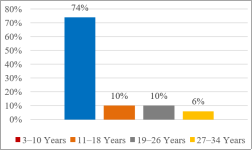
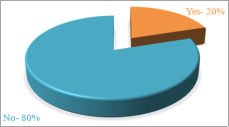
Table 1 below presents the demographic data of the research study. It shows that, the participants mean age were 35.5 years with a range of 25-54 years and maximum age group between 31-36 (38%). The majority (96%) of the participants were female. The most of the participants 68% were Muslim, 20% were Hindus and 12% were Christian. Among them 92% participants were married and 8% participants were single. Most of the participants 60% had Diploma in Nursing Science and Midwifery, 8% had Basic Bachelor of Science in Nursing, 18% had post basic Bachelor of Science in Nursing and 14% had Masters of Science in Nursing/ MPH. Among all of them 74% of participants length of government service was from 03-10 years, 10% had 11-18 years, 10% had 19-26 years and only 6% had above 27 years. Among them, only 20% had training and 80% had no training on hospital waste management.
Table 1. Distribution of the respondents’ socio-demographic characteristics (n=50).
Variables | Items | f | % |
Age (years) | Mean=35.5 years, Minimum=25 years, Maximum= 54 years | 50 | 100 |
25-30 | 17 | 34 |
31-36 | 19 | 38 |
37-42 | 2 | 4 |
43-48 | 8 | 16 |
49-54 | 4 | 8 |
Gender | Male | 2 | 4 |
Female | 48 | 96 |
Religion | Islam | 34 | 68 |
Hindu | 10 | 20 |
Christian | 6 | 12 |
Marital status | Single | 4 | 8 |
Married | 46 | 92 |
Professional qualification | Diploma in Nursing Science and Midwifery | 30 | 60 |
Basic Bachelor of Science in Nursing | 4 | 8 |
Post Basic Bachelor of Science in Nursing | 9 | 18 |
Masters of Science in Nursing/ MPH | 7 | 14 |
Length of government service | 3-10 | 37 | 74% |
11-18 | 5 | 10% |
19-26 | 5 | 10% |
Above 27 Years | 3 | 6% |
Training on Hospital waste management | Yes | 10 | 20% |
No | 40 | 80% |
Figure 1. Distribution of the respondents by total length of Government Service (n=50).
Figure 2. Distribution of the respondents by training on hospital waste (n=50).
This
Figure 1 shows that 74% of respondents had 3-10 years, 10% had 1118 years, 10% had 19-26 years and only 6% had above 27 years of government service.
This
Figure 2 shows the respondents receiving any special training on management of hospital waste. Only 20% of the respondents had training on management of hospital waste and 80% of them didn’t have any special training.
3.2. Knowledge Related Findings
Table 2. Distribution of the respondents’ knowledge regarding concept of hospital waste (n=50)
Sl. No. | Variables | Correct Answer | Incorrect Answer |
f | % | f | % |
1. | Hospital waste meaning waste generated in the diagnosis, treatment or immunization of human beings | 37 | 74 | 13 | 26 |
2. | Risk waste sharps and surgical blades | 40 | 80 | 10 | 20 |
3. | The infectious items in hospital are infected I/V catheter, body parts, body fluids | 28 | 56 | 22 | 44 |
4. | Six types of color-coded bin should be used according to WHO in management of hospital waste | 5 | 10 | 45 | 90 |
5. | Universal precautionary measures mean precaution for all personnel | 32 | 64 | 18 | 36 |
6. | Safety measures are important in management of hospital waste to protect health care provider | 47 | 94 | 3 | 6 |
7. | The role of nurse in hospital waste management is to ensure that right waste goes into right bin | 39 | 78 | 11 | 22 |
8. | Hospital waste management is important to reduce the risk of human infection | 40 | 80 | 10 | 20 |
Table 2 above shows the knowledge regarding concept of hospital waste. 94% of the respondents answered correctly that safety measures are important in the management of hospital waste to protect health care provider, whereas only 10% of the respondents answered correctly that six types of color-coded bin should be used according to WHO in management of hospital waste. On the other hand, 90% of the respondents gave incorrect answers on six types of color-coded bin should be used according to WHO in management of hospital waste.
Table 3. Level of the nurse’s knowledge regarding concept of hospital waste (n=50).
Variable | Level | Grading Criteria | f | % | Obtained Score | Mean Score |
Concept of hospital waste management | Excellent | 90-100% | 1 | 2 | 32 | 32 |
Very Good | 80-89% | 11 | 22 | 308 | 28 |
Good | 70-79% | 14 | 28 | 336 | 24 |
Average | 60-69% | 13 | 26 | 260 | 20 |
Poor | <60% | 11 | 22 | 132 | 12 |
Total | 50 | 100 | 1068 | |
Mean score = 21.36 (66.75% Average knowledge) | |
Table 3 shows above table shows the overall knowledge level regarding the concept of hospital waste. 22% of respondents had poor knowledge, 26% had average knowledge and only 2% had excellent knowledge. The mean total knowledge score was 21.36 out of 32 (eight items) which indicates 66.75% the average level of knowledge in the area on the concept of hospital waste management.
Table 4. Distribution of the respondents’ knowledge regarding management of hospital waste (n=50)
Sl. No. | Variables | Correct Answer | Incorrect Answer |
f | % | f | % |
9. | Incineration is best method used in disposal of hospital waste | 31 | 62 | 19 | 38 |
10. | HbsAg vaccine should be given to health care worker who deal with hospital waste management | 46 | 92 | 4 | 8 |
11. | Sharp items put in the red coloured bin | 44 | 88 | 6 | 12 |
12. | The trash in the bin should be thrown away when it is up to fill 2/3 of bin | 24 | 48 | 26 | 52 |
13. | Waste segregation process done by separate containers use for the dry and wet waste | 35 | 70 | 15 | 30 |
14. | Cleansing of the wounds and skin should be taken in the event of an immediate injury or exposure to a hazardous substance | 35 | 70 | 15 | 30 |
15. | Garbage can be stored in a bin for 48 hours | 9 | 18 | 41 | 82 |
16. | Reuse, recycling, and reduced is the most effective way of waste management | 32 | 64 | 18 | 36 |
17. | Post exposure prophylaxis is initiated as soon as possible after exposure | 19 | 38 | 31 | 62 |
18. | Syringe and plastic items are disposed of in the green bin | 33 | 66 | 17 | 34 |
Table 4 shows the knowledge regarding management of hospital waste. 92% of the respondents gave correct answers whether the HbsAg vaccine should be given to health care worker who deal with hospital waste management, whereas only 18% of the respondents provided correct answers on garbage can be stored in a bin for 48 hours. On the other hand, 82% of the respondents provided incorrect answers on garbage can be stored in a bin for 48 hours.
Table 5. Level of nurse’s knowledge regarding management of hospital waste (n=50).
Variable | Level | Grading Criteria | f | % | Obtained Score | Mean Score |
Management of hospital waste | Excellent | 90-100% | 5 | 10 | 184 | 36.8 |
Very Good | 80-89% | 5 | 10 | 160 | 32 |
Good | 70-79% | 15 | 30 | 420 | 28 |
Average | 60-69% | 9 | 18 | 216 | 24 |
Poor | <60% | 16 | 32 | 252 | 15.75 |
| Total | 50 | 100 | 1232 | |
Mean score = 24.64 (61.6% Average knowledge) |
Table 5 shows the overall knowledge level regarding management of hospital waste. 32% of respondents had poor knowledge, 18% of respondents had average knowledge and 10% of respondents had excellent knowledge. Mean of total knowledge score was 24.64 out of 40 (ten items) which indicates 61.6% the average level of knowledge in the area on management of hospital waste.
Table 6. Distribution of the respondents’ knowledge regarding health hazards due to improper hospital waste management (n=50).
Sl. No. | Variables | Correct Answer | Incorrect Answer |
f | % | f | % |
19. | Air, water, and soil contamination is the effect of improper hospital waste management | 30 | 60 | 20 | 40 |
20. | HIV/AIDS is spread by medical waste | 45 | 90 | 5 | 10 |
21. | Improper Hospital waste management can prevent by strictly maintain proper waste management method | 41 | 82 | 9 | 18 |
22. | Respiratory infection is the effect of improper hospital waste management | 46 | 92 | 4 | 8 |
23. | Skin rash and irritation is the immediate cause of the unsafe handling of hospital waste | 31 | 62 | 19 | 38 |
24. | Drug resistance is the important issue due to improper handling of waste these days | 16 | 32 | 34 | 68 |
25. | Human carcinogen/cancer is the adverse effect of incinerated materials | 31 | 62 | 19 | 38 |
Table 6 shows that 92% of respondents gave correct answers on respiratory infection is the effect of improper hospital waste management, whereas only 32% of respondents gave correct answers on drug resistance is the important issue due to improper handling of waste these days. On the other hand, 68% of respondents gave incorrect answers on Drug resistance is the important issue due to improper handling of waste these days.
Table 7. Level of nurse’s knowledge regarding health hazards due to improper hospital waste management (n=50).
Variable | Level | Grading Criteria | f | % | Obtained Score | Mean Score |
Health hazards due to improper hospital waste management | Excellent | 90-100% | 6 | 12 | 168 | 28 |
Very Good | 80-89% | 8 | 16 | 192 | 24 |
Good | 70-79% | 17 | 34 | 340 | 20 |
Average | 60-69% | - | - | - | - |
Poor | <60% | 19 | 38 | 260 | 13.68 |
Total | 50 | 100 | 960 | |
Mean score = 19.2 (68.57% Average knowledge) |
Table 7 shows the overall knowledge level on health hazards due to improper hospital waste management. 38% of respondents had poor knowledge, and 12% of respondents had excellent knowledge. Mean of total knowledge score was 19.2 out of 28 (seven items) which indicates the 68.57% average level of knowledge in the area on health hazards hospital due to improper hospital waste management.
Table 8. Distribution of the respondents by overall knowledge level score based on grading criteria on hospital waste management (n=50).
SL. No. | Level | Grading Criteria | f | % | Obtained Score |
01. | Excellent | 90-100% | 3 | 6 | 276 |
02. | Very Good | 80-89% | 5 | 10 | 404 |
03. | Good | 70-79% | 15 | 30 | 1108 |
04. | Average | 60-69% | 16 | 32 | 1004 |
05. | Poor | <60% | 11 | 22 | 468 |
| Total | 50 | 100 | 3260 |
| Mean score = 65.2 (65% Average knowledge) |
Table 8 shows that 32% of respondents had average knowledge, 30% of respondents had good knowledge, 22% of respondents had poor knowledge, 10% of respondents had very good knowledge and only 6% of respondents had excellent knowledge regarding hospital waste management. Mean of total knowledge score was 65.2 which indicates the 65% average level of knowledge in current study.
Table 9. Distribution of the respondents’ overall knowledge on hospital waste management by Professional qualification (n=50).
Variable | Categories | f | % | Mean Score |
Level of Professional qualification | Diploma in Nursing Science and Midwifery | 30 | 60 | 16.27 |
Basic Bachelor of Science in Nursing | 4 | 8 | 16 |
Post Basic Bachelor of Science in Nursing | 9 | 18 | 15.23 |
Master of Science in Nursing/ MPH | 7 | 14 | 17 |
Table 9 shows Distribution of the respondents’ overall knowledge on hospital waste management by professional qualification. Those respondents had Master of Science in Nursing/ MPH courses; they had more knowledge than others. The mean of total knowledge score was 17 those are completed Master of Science in Nursing/ MPH courses, mean score 16.27 those are completed Diploma in Nursing Science and Midwifery, mean score 16 those are completed Basic Bachelor of Science in Nursing and mean score 15.23 those are completed Post Basic Bachelor of Science in Nursing.
4. Discussion
A descriptive type of cross- sectional study was conducted at National Institute of Diseases of the Chest and Hospital (NIDCH), Dhaka, to assess the level of nurses’ knowledge regarding hospital waste management. The study focused on Sociodemographic and knowledge-based findings and discussed on the concept, management, and health hazards due to improper hospital waste management; those varied the level of Nurses' knowledge as a care provider regarding the Management of waste. The findings of the present study are discussed according to the study objectives and results.
4.1. Socio-demographics Findings
The present study involved 50 Nurses with the mean age of 35.5 years with the range of 25 to 54 years. Among the respondents maximum age were 38% within the range of 31-36 years, where the lowest 4% were within the range of 37-42 years. 96% of respondents were female and 4% were male. Near similarly, in another study revealed that most of the respondents 87.2% were female and the rest 12.8% were male. In Bangladesh, the nursing profession is female-oriented, whereas most of the studies showed similar findings. In this study, 68% of the respondents were Muslim. The study found that a majority of the respondents 60% completed Diploma in Nursing Science and Midwifery courses, whereas master's degrees 14% were found in this study. This study revealed that the respondents who were completed Masters of Science in Nursing courses, their knowledge level was 17%. Though there are many barriers to higher education, and there were only a few government nursing institutions that provided higher degrees in nursing in Bangladesh, their knowledge level was highest. In another study conducted in India, they found that B.Sc. qualified nurses had better knowledge on hospital waste management than General Nursing Midwifery and Auxiliary Nursing Midwifery. The current study revealed that, 74% of nurses had working experience within the range of 3-10 years and only 20% of respondents had training about hospital waste management. Whereas in Iraq, study showed that, 50.3% of nurses had less than 9 years of working experience and 85.3% of respondents hadn't attended training courses on
| [9] | Roy P & Bose S. Study on Knowledge and Practice of Hospital Waste Management among Nursing Staff in a Tertiary Care Hospital in Srikakulam, Andhra Pradesh. Journal of Research in Medical and Dental Science, 2022. 10(6), 110-116. |
| [13] | Sarkees AN. Assessment of nurses' knowledge about health care waste management in Duhok City. Polytechnic Journal. 2018. 8(2): 2.35-43. https://doi.org/10.25156/ptj.2018.8.2.218 |
| [17] | Yaga, JM, Monika, N, Balaji, B, Khushbu, V, & Vandana, VS. A Systematic Review on Biomedical Waste Management Among Staff Nurses. Journal of Nursing and Health Science. 2022. 11(2), 60-65. https://doi.org/10.9790/1959-1102066065 |
[9, 13, 17]
.
4.2. Knowledge Related to Concept of Hospital Waste Management
The results highlighted that only 2% gained excellent knowledge and 22% gained very good knowledge on the concept of hospital waste management. Another study found that 85% of staff nurses had good knowledge on the concept of biomedical waste management. In the current study the researchers revealed that only 10% of respondents correctly mentioned six types of color-coded bins that should be used for hospital waste management. But in our country another study showed that 84.2% of respondents correctly mentioned the color code of different waste disposals, which was not similar to current study findings
| [12] | Sarkar, S, Khati, P, Choudhury, S, Saha, A, Das, R, Mandal, G, Mondal, N, Barman, K, Banerjee, O, Khatun, S, Das, S, Mondal, P, Sinha, P, Parveen, N, & Sabnam, S. A study to assess the knowledge regarding bio-medical waste management among the staff nurses working in selected hospital, Siliguri. International Journal of Research in Medical Sciences. 2022. 10(11), 2530–2535.
https://doi.org/10.18203/2320-6012.ijrms20222853 |
| [15] | Sobh, DR, Fakhry, SF, Mohamed, HA. Knowledge and practice of staff nurses related to health care waste management. Port Said Scientific Journal of Nursing. 2018. 5(2), 20-43.
https://doi.org/10.21608/pssjn.2018.33322 |
[12, 15]
.
4.3. Knowledge Related to Management of Hospital Waste
The findings indicate that the level of knowledge of the nurses on this issue is not satisfactory. This study's results showed that only 10% had excellent knowledge, 10% had very good knowledge, 30% had good knowledge, 18% had average knowledge and 32% had poor knowledge. In a similar a study, they showed that 37.68% of the respondents had fair knowledge regarding health care waste management. But another study revealed that the majority of respondents had a good level of knowledge 95% and 5% of respondents had fair knowledge regarding management of medical waste. In the current study 62% of respondents mentioned that incineration is the best method used in the disposal of hospital waste. Similarly, in another study 62% of respondents were found to be knowledgeable about the function of incineration. But in another study, 97% of respondents reported that incineration is the best method used in disposal of hospital waste management due to their knowledge in this area. In current study the researchers found that 88% of respondents gave correct answers regarding the red colored bin is used for disposal of sharp items. Near similarly, another study conducted in Nepal showed that 95.3% of respondents reported that sharp medical waste must be discarded in a red bin
| [1] | Akkajit, P, Romin, H, & Assawadithalerd, M. Assessment of Knowledge, Attitude, and Practice in respect of Medical Waste Management among Healthcare Workers in Clinics. Journal of Environmental and Public Health. 2020, 8745472.
https://doi.org/10.1155/2020/8745472 |
| [6] | Gautam S, Mandal PK, Yangden N, Rai M. Knowledge on Biomedical Waste Management among nurses working in a hospital of Biratnagar. Tribhuvan University Journal. 2021 Dec 31; 36(02): 26-38. https://doi.org/10.3126/tuj.v36i02.46596 |
| [7] | Manshed MA, Hassoun NS, Ali MHA. Evaluation of nurses' knowledge toward medical waste products management at primary health care centers in Alamara City. Misan J Nurs Stud. 2021; 1(1): 1–11. |
| [12] | Sarkar, S, Khati, P, Choudhury, S, Saha, A, Das, R, Mandal, G, Mondal, N, Barman, K, Banerjee, O, Khatun, S, Das, S, Mondal, P, Sinha, P, Parveen, N, & Sabnam, S. A study to assess the knowledge regarding bio-medical waste management among the staff nurses working in selected hospital, Siliguri. International Journal of Research in Medical Sciences. 2022. 10(11), 2530–2535.
https://doi.org/10.18203/2320-6012.ijrms20222853 |
| [17] | Yaga, JM, Monika, N, Balaji, B, Khushbu, V, & Vandana, VS. A Systematic Review on Biomedical Waste Management Among Staff Nurses. Journal of Nursing and Health Science. 2022. 11(2), 60-65. https://doi.org/10.9790/1959-1102066065 |
[1, 6, 7, 12, 17]
.
4.4. Knowledge Related to Health Hazards Due to Improper Hospital Waste Management
The current study revealed that 90% of respondents reported HIV/AIDS spread by medical waste. Another study conducted in Turkey, revealed that 95.9% of the respondents reported that some diseases like Hepatitis, HIV, Tuberculosis, Syphilis, Blood Borne Diseases and other infectious diseases are spread via medical waste. A study conducted in India discovered that 77.5% of the respondents had knowledge about diseases transmission through biomedical waste management. In current study 60% of respondents reported that air, water and soil contamination is the effect of improper hospital waste management. Similarly, in another study conducted in this country showed that 61.6% of respondents answered that environmental degradation is the effect of inappropriate disposal of medical waste management
| [5] | Calikoglu EO, Aras A. Nurses’ knowledge of hospital medical waste management: Areas to improve. EJMI. 2019; 3(1): 1-6.
https://doi.org/10.14744/ejmi.2019.0007 |
| [12] | Sarkar, S, Khati, P, Choudhury, S, Saha, A, Das, R, Mandal, G, Mondal, N, Barman, K, Banerjee, O, Khatun, S, Das, S, Mondal, P, Sinha, P, Parveen, N, & Sabnam, S. A study to assess the knowledge regarding bio-medical waste management among the staff nurses working in selected hospital, Siliguri. International Journal of Research in Medical Sciences. 2022. 10(11), 2530–2535.
https://doi.org/10.18203/2320-6012.ijrms20222853 |
| [17] | Yaga, JM, Monika, N, Balaji, B, Khushbu, V, & Vandana, VS. A Systematic Review on Biomedical Waste Management Among Staff Nurses. Journal of Nursing and Health Science. 2022. 11(2), 60-65. https://doi.org/10.9790/1959-1102066065 |
[5, 12, 17]
.
4.5. Overall Knowledge Related to Hospital Waste Management
The overall findings of current study indicated that 30% of respondents had average knowledge, 28% of respondents had good knowledge, 26% of respondents had poor knowledge, 10% of respondents had very good knowledge and 6% of respondents had excellent knowledge regarding hospital waste management. Mean of total knowledge score was 65.2 which indicates the 65% average level of knowledge in current study. Another study conducted in India among staff nurses who are dealing with hospital waste, the overall findings of study revealed that the majority 50% of staff nurses were having a good knowledge, 20% of them had poor knowledge, whereas 18% of them had fair knowledge and the remaining 12% of them were reported to have excellent knowledge respectively
| [12] | Sarkar, S, Khati, P, Choudhury, S, Saha, A, Das, R, Mandal, G, Mondal, N, Barman, K, Banerjee, O, Khatun, S, Das, S, Mondal, P, Sinha, P, Parveen, N, & Sabnam, S. A study to assess the knowledge regarding bio-medical waste management among the staff nurses working in selected hospital, Siliguri. International Journal of Research in Medical Sciences. 2022. 10(11), 2530–2535.
https://doi.org/10.18203/2320-6012.ijrms20222853 |
[12]
.
4.6. Limitation of the Study
The study was conducted in only one hospital, NIDCH, so the findings cannot be generalized to other areas. This study only focused on the assessment of knowledge level but not the practice and attitude of nurses due to time limitations. There was no allocated budget for this research project to carry out the study smoothly. So that the expenditure was financed by the researcher.
5. Conclusions
Hospital waste management has recently emerged as an issue of major concern not only to hospitals, primary health care centers, and nursing home authorities but also to the environment. However, a waste management plan, appropriate equipment, dedicated staff and monitoring and supervision are some of the pre-requisites. A descriptive type of cross-sectional study design was conducted by the researcher to explore Nurses’ Knowledge Regarding Hospital Waste Management. In this study, population was 200, sample size 50 and followed by convenient sampling technique and study setting was at National Institute of Disease of the Chest and Hospital (NIDCH). The respondents’ overall knowledge on hospital waste management was 22% had poor knowledge, 6% had excellent knowledge, and 32% of them had average knowledge as they had only 20% training in this area. Based on study findings, the knowledge of nurses about management of hospital waste is crucial to ensure that such waste is managed properly. Finally, it is suggested to arrange in service training on hospital waste management to increase the level of nurses' knowledge regarding hospital waste management. So that nurses can play a crucial role in providing quality care to patients as well as save themselves from risk factors.
Abbreviations
NIDCH | National Institute of Diseases of the Chest and Hospital |
WHO | World Health Organization |
HIV | Human Immunodeficiency Virus |
TB | Tuberculosis |
AIDS | Acquired Immuno-Deficiency Syndrome |
Acknowledgments
We express our deepest gratitude to our Principal, Modina Khatun, for providing essential facilities and administrative support and all faculty members at the College of Nursing Mohakhali, Dhaka. We are profoundly grateful to our guide teachers Ms. Mridula Baroi (Nursing Instructor), for their invaluable supervision and support. We also appreciate the Director, Nursing Superintendent, Ward In-charge, and nursing staff at the National Institute of Diseases of the Chest and Hospital (NIDCH), Dhaka, for their cooperation during data collection.
Author Contributions
Bithy Benedicta Gomes: Conceptualization, Methodology, Investigation, Data curation, Resources, Formal analysis, Writing – original draft, Software
Fahima Mahjabin: Conceptualization, Investigation, Data curation, Formal analysis, Visualization
Fatema Tuj Gohora: Methodology, Investigation, Data curation, Validation
Nasrin Aktar: Investigation, Data curation, Resources
Most. Marzia Sultana: Investigation, Data curation, Resources
Sarmin Akter: Investigation, Data curation, Writing – original draft
Khurshida Aktary: Investigation, Data curation, Software
Shilpey Khatun: Investigation, Data curation, Software
Kabita Rani Barai: Investigation, Data curation, Validation
Mridula Baroi: Conceptualization, Methodology, Project administration, Resources, Supervision, Writing – review & editing
Conflicts of Interest
The authors declare no conflicts of interest.
References
| [1] |
Akkajit, P, Romin, H, & Assawadithalerd, M. Assessment of Knowledge, Attitude, and Practice in respect of Medical Waste Management among Healthcare Workers in Clinics. Journal of Environmental and Public Health. 2020, 8745472.
https://doi.org/10.1155/2020/8745472
|
| [2] |
Alvi AS, Manj YN, Riaz A, Alam M, Ghafoor B. Knowledge, attitude and practices of hospital staff regarding hospital waste management in public hospitals of district Gujranwala, Pakistan. Rawal Medical Journal. (2021), 46(4): 914-918.
|
| [3] |
Bansod HS, Deshmukh P. Biomedical waste management and its importance: a systematic review. Cureus. 2023. Feb 3; 15(2): e34589.
https://doi.org/10.7759/cureus.34589
|
| [4] |
Behnam, B, Oishi, SN, Uddin, SMN, Rafa, N, Nasiruddin, SM, Mollah, AM, & Hongzhi, M. (2020). Inadequacies in hospital waste and sewerage management in Chattogram, Bangladesh: exploring environmental and occupational health hazards. Sustainability, 12(21), 9077.
https://doi.org/10.3390/su12219077
|
| [5] |
Calikoglu EO, Aras A. Nurses’ knowledge of hospital medical waste management: Areas to improve. EJMI. 2019; 3(1): 1-6.
https://doi.org/10.14744/ejmi.2019.0007
|
| [6] |
Gautam S, Mandal PK, Yangden N, Rai M. Knowledge on Biomedical Waste Management among nurses working in a hospital of Biratnagar. Tribhuvan University Journal. 2021 Dec 31; 36(02): 26-38.
https://doi.org/10.3126/tuj.v36i02.46596
|
| [7] |
Manshed MA, Hassoun NS, Ali MHA. Evaluation of nurses' knowledge toward medical waste products management at primary health care centers in Alamara City. Misan J Nurs Stud. 2021; 1(1): 1–11.
|
| [8] |
Sekar M, Swapna M, Easow JM. A study on knowledge, attitude and practice of biomedical waste management among health care workers in a Tertiary Care Hospital in Puducherry. Indian Journal of Microbiology Research. 2018. 5(1): 57-60, 2018.
https://doi.org/10.18231/2394-5478.2018.0011
|
| [9] |
Roy P & Bose S. Study on Knowledge and Practice of Hospital Waste Management among Nursing Staff in a Tertiary Care Hospital in Srikakulam, Andhra Pradesh. Journal of Research in Medical and Dental Science, 2022. 10(6), 110-116.
|
| [10] |
Saadoon NB, Kadum SA, Ali LH. Knowledge and Attitudes of Healthcare Workers regarding Medical Waste Management in Hospitals of Al-Najaf Province. Health Education and Health Promotion. 2022; 10(4): 649-656.
|
| [11] |
Yousaf S, Kousar F and Kausar D. Hospital Waste Management KAP Study among Nurses in Hospitals Lahore, Pakistan. Journal of Clinical Trials &Research. 2020. 3(1), 152-162.
|
| [12] |
Sarkar, S, Khati, P, Choudhury, S, Saha, A, Das, R, Mandal, G, Mondal, N, Barman, K, Banerjee, O, Khatun, S, Das, S, Mondal, P, Sinha, P, Parveen, N, & Sabnam, S. A study to assess the knowledge regarding bio-medical waste management among the staff nurses working in selected hospital, Siliguri. International Journal of Research in Medical Sciences. 2022. 10(11), 2530–2535.
https://doi.org/10.18203/2320-6012.ijrms20222853
|
| [13] |
Sarkees AN. Assessment of nurses' knowledge about health care waste management in Duhok City. Polytechnic Journal. 2018. 8(2): 2.35-43.
https://doi.org/10.25156/ptj.2018.8.2.218
|
| [14] |
Schenk, EC, Johnson, S, Gustafson, BK & Turley, O. Nursing Waste Reduction for a Healthy Environment. Journal of Radiology Nursing. 2023. 42(1).57-61.
https://doi.org/10.1016/j.jradnu.2022.12.008
|
| [15] |
Sobh, DR, Fakhry, SF, Mohamed, HA. Knowledge and practice of staff nurses related to health care waste management. Port Said Scientific Journal of Nursing. 2018. 5(2), 20-43.
https://doi.org/10.21608/pssjn.2018.33322
|
| [16] |
Vallepalli, C, Rao, KUM, Reddy, KT, Sekhar, KC, Gogineni, SS, & Deotale, PG. A Study on Knowledge and Practice of Hospital Waste Management among Nursing Staff of Tertiary Care Centre Hospital in Eluru, West Godavari District, AP, India. Indian Journal of Public Health. 2017. 8(3), 159.
https://doi.org/10.5958/0976-5506.2017.00179.6
|
| [17] |
Yaga, JM, Monika, N, Balaji, B, Khushbu, V, & Vandana, VS. A Systematic Review on Biomedical Waste Management Among Staff Nurses. Journal of Nursing and Health Science. 2022. 11(2), 60-65.
https://doi.org/10.9790/1959-1102066065
|
Cite This Article
-
APA Style
Gomes, B. B., Mahjabin, F., Gohora, F. T., Aktar, N., Sultana, M. M., et al. (2026). Nurses’ Knowledge Regarding Hospital Waste Management at a Specialized Hospital in Dhaka, Bangladesh. American Journal of Nursing Science, 15(4), 97-107. https://doi.org/10.11648/j.ajns.20261504.13
 Copy
|
Copy
|
 Download
ACS Style
Gomes, B. B.; Mahjabin, F.; Gohora, F. T.; Aktar, N.; Sultana, M. M., et al. Nurses’ Knowledge Regarding Hospital Waste Management at a Specialized Hospital in Dhaka, Bangladesh. Am. J. Nurs. Sci. 2026, 15(4), 97-107. doi: 10.11648/j.ajns.20261504.13
Copy
|
Download
AMA Style
Gomes BB, Mahjabin F, Gohora FT, Aktar N, Sultana MM, et al. Nurses’ Knowledge Regarding Hospital Waste Management at a Specialized Hospital in Dhaka, Bangladesh. Am J Nurs Sci. 2026;15(4):97-107. doi: 10.11648/j.ajns.20261504.13
Copy
|
Download
-
@article{10.11648/j.ajns.20261504.13,
  author = {Bithy Benedicta Gomes and Fahima Mahjabin and Fatema Tuj Gohora and Nasrin Aktar and Most. Marzia Sultana and Sarmin Akter and Khurshida Aktary and Shilpey Khatun and Kabita Rani Barai and Mridula Baroi},
  title = {Nurses’ Knowledge Regarding Hospital Waste Management at a Specialized Hospital in Dhaka, Bangladesh},
  journal = {American Journal of Nursing Science},
  volume = {15},
  number = {4},
  pages = {97-107},
  doi = {10.11648/j.ajns.20261504.13},
  url = {https://doi.org/10.11648/j.ajns.20261504.13},
  eprint = {https://article.sciencepublishinggroup.com/pdf/10.11648.j.ajns.20261504.13},
  abstract = {The hospital waste management have become a remarkable concern for the nurses and others health care personnel as it carries a higher risk of infection and injury. Hospital waste must be properly identified and disposed to selected point of origin as possible. To assess the level of nurses’ knowledge regarding hospital waste management at a specialized hospital in Dhaka. Methods: A descriptive type of cross-sectional study was conducted with 50 samples through convenient sampling technique from total number of populations at National Institute of Diseases of the Chest and Hospital (NIDCH), Dhaka, Bangladesh. A structured questionnaire was used for data collection and descriptive statistics was used for analysis. The mean age of the respondents was 35.5 years old. The overall findings showed that 30% of respondents had average knowledge, 28% of respondents had good knowledge, 26% of respondents had poor knowledge, 10% of respondents had very good knowledge and only 6% of respondents had excellent knowledge regarding hospital waste management. The study findings concluded that, the knowledge of nurses about management of hospital waste is crucial to ensure that such waste is managed properly. Finally, it is suggested to arrange in service training on hospital waste management to increase the level of nurses' knowledge regarding hospital waste management so that nurses can play a vital role in providing quality care to patients as well as save themselves from risk factors.},
 year = {2026}
}
Copy
|
Download
-
TY  - JOUR
T1  - Nurses’ Knowledge Regarding Hospital Waste Management at a Specialized Hospital in Dhaka, Bangladesh
AU  - Bithy Benedicta Gomes
AU  - Fahima Mahjabin
AU  - Fatema Tuj Gohora
AU  - Nasrin Aktar
AU  - Most. Marzia Sultana
AU  - Sarmin Akter
AU  - Khurshida Aktary
AU  - Shilpey Khatun
AU  - Kabita Rani Barai
AU  - Mridula Baroi
Y1  - 2026/08/22
PY  - 2026
N1  - https://doi.org/10.11648/j.ajns.20261504.13
DO  - 10.11648/j.ajns.20261504.13
T2  - American Journal of Nursing Science
JF  - American Journal of Nursing Science
JO  - American Journal of Nursing Science
SP  - 97
EP  - 107
PB  - Science Publishing Group
SN  - 2328-5753
UR  - https://doi.org/10.11648/j.ajns.20261504.13
AB  - The hospital waste management have become a remarkable concern for the nurses and others health care personnel as it carries a higher risk of infection and injury. Hospital waste must be properly identified and disposed to selected point of origin as possible. To assess the level of nurses’ knowledge regarding hospital waste management at a specialized hospital in Dhaka. Methods: A descriptive type of cross-sectional study was conducted with 50 samples through convenient sampling technique from total number of populations at National Institute of Diseases of the Chest and Hospital (NIDCH), Dhaka, Bangladesh. A structured questionnaire was used for data collection and descriptive statistics was used for analysis. The mean age of the respondents was 35.5 years old. The overall findings showed that 30% of respondents had average knowledge, 28% of respondents had good knowledge, 26% of respondents had poor knowledge, 10% of respondents had very good knowledge and only 6% of respondents had excellent knowledge regarding hospital waste management. The study findings concluded that, the knowledge of nurses about management of hospital waste is crucial to ensure that such waste is managed properly. Finally, it is suggested to arrange in service training on hospital waste management to increase the level of nurses' knowledge regarding hospital waste management so that nurses can play a vital role in providing quality care to patients as well as save themselves from risk factors.
VL  - 15
IS  - 4
ER  -
Copy
|
Download





 Share This Article
 Twitter
 Linked In
 Facebook